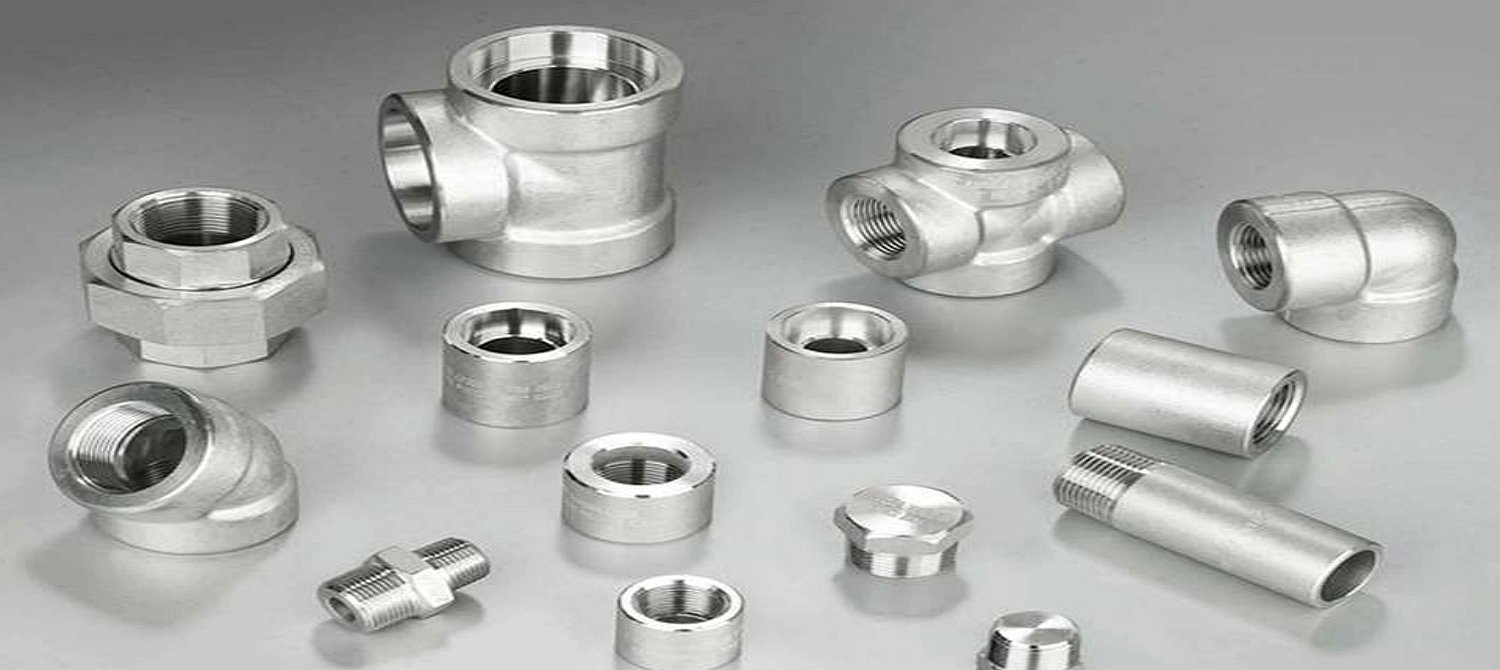
"Castings" primarily refers to objects made by the manufacturing process of casting, where a liquid material (such as molten metal, plastic, concrete, or plaster) is poured into a mold, allowed to solidify, and then removed from the mold. The term can also refer to the process itself or the choosing of actors for a performance.
In Manufacturing
The solidified part created by this process is known as a casting. This method is a versatile and cost-effective way to produce objects with complex shapes, including internal cavities, that would be difficult or uneconomical to make by other methods like machining or forging.
Common materials used for castings include:
- Metals and alloys such as iron, steel, aluminum, copper alloys (brass, bronze), zinc, and magnesium.
- Other materials like concrete, plaster, and various plastic resins.
The basic steps in the process involve:
- Patternmaking: A replica of the final part is made to create the mold cavity.
- Mold Making: A mold (either expendable, like sand, or permanent, like metal) is created from the pattern.
- Melting and Pouring: The material is heated into a liquid state and poured into the mold cavity.
- Solidification: The material cools and hardens into the desired shape.
- Removal and Finishing: The casting is removed from the mold (by breaking the mold or opening a die) and excess material is trimmed off through a process called fettling.
Applications of castings are widespread and found in many industries:
- Automotive: Engine blocks, cylinder heads, pistons, brake discs, and wheels.
- Aerospace: Turbine blades and structural components.
- Construction: Pipes, valves, fire hydrants, and manhole covers.
- Heavy Machinery: Machine tool beds, impellers, and gear housings.
- Art: Sculptures and decorative items.